




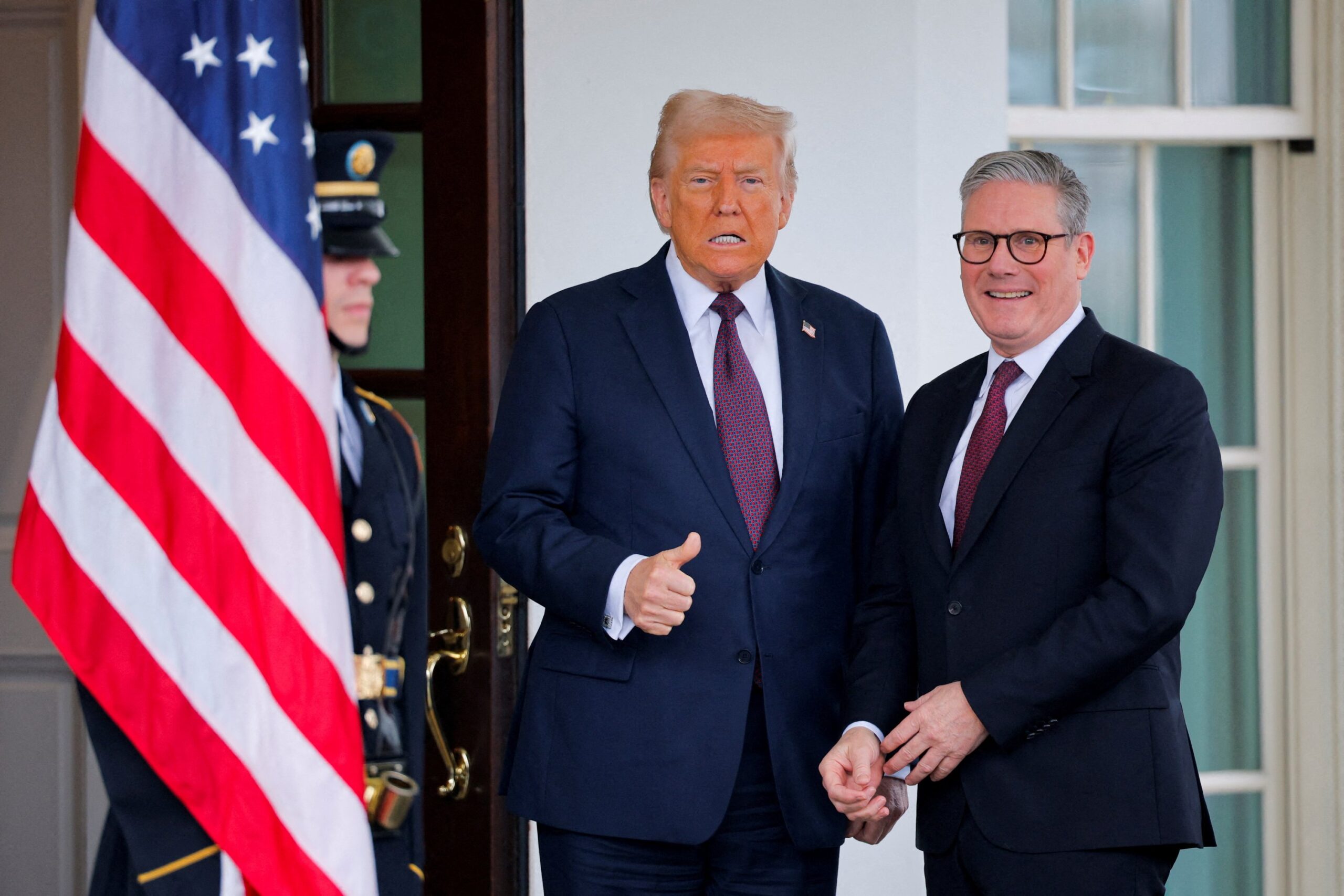
Washington – The “Special Relationship” between Washington and London has entered a period of unprecedented turbulence as President Donald Trump publicly dismissed the United Kingdom’s offer to deploy its aircraft carriers to the Middle East. This rejection, delivered with trademark bluntness via social media, reflects a deep-seated frustration within the White House over the timing and nature of British military support during the opening stages of the conflict with Iran.
A primary driver for the rejection is the perceived delay in British commitment. While the United States and Israel launched Operation Epic Fury on February 28, the UK Ministry of Defence only signaled that the HMS Prince of Wales was at “high readiness” nearly a week later. President Trump pointedly remarked that the U.S. does not need allies who join a conflict after the decisive blows have already been landed, suggesting that the Iranian navy and air defenses had already been effectively neutralized by American and Israeli forces.
The rift is also tied to a dispute over military infrastructure. Prime Minister Keir Starmer initially denied U.S. requests to launch offensive strikes from British sovereign bases at RAF Fairford and Diego Garcia, citing concerns over the legal basis for regime change. Although Starmer eventually authorized the use of these bases for “defensive” purposes to intercept Iranian missiles, the delay forced U.S. aircraft to fly significantly longer routes. Trump labeled this lack of immediate cooperation as “uncooperative” and “not helpful,” unfavorably comparing Starmer’s leadership to that of Winston Churchill.
Political disagreements on other fronts have further soured the partnership. The Trump administration has been vocal in its criticism of the UK’s decision to transfer sovereignty of the Chagos Islands to Mauritius, viewing it as a strategic error that jeopardizes long-term security at the Diego Garcia base. Additionally, the President has expressed disappointment that the UK did not follow the lead of other allies, such as France or Germany, who were seen as more decisive in their support for the initial U.S. offensive.
Ultimately, the decision to decline the British carriers serves as a public rebuke of the UK’s cautious diplomatic and legalistic approach. By signaling that the U.S. is prepared to conclude the campaign without British naval assistance, the White House is asserting a more unilateral path in its Middle East policy, leaving the future of U.S.-UK military coordination in a state of significant uncertainty.